
Attic & Basement Conversions That Add Real Value to Your Home in the San Francisco Bay Area Peninsula
Unused attic and basement areas often hold the most potential in a home. With thoughtful planning and skilled execution, these underutilized areas can become comfortable, functional living space that support your lifestyle and add lasting value.
Our attic basement conversions focus on creating safe, code-compliant, and beautifully finished rooms that feel like a natural extension of your home—not an afterthought.
Attic or Basement Renovation:Which Is Right for Your Home?
An attic or basement renovation depends on your existing structure, goals, and budget. Some homes benefit from vertical expansion in the attic, while others are better suited for below-grade basement conversions.
We help homeowners evaluate both the attic or basement options clearly, explaining tradeoffs around costs, comfort, and long-term usability
Why Attic and BasementConversions Are a Smart Investment
Converting unused space is a smart investment that increases usable square footage without changing your home’s footprint. These additions often boost home value and resale value, especially when designed as flexible, multi-purpose rooms.
Many homeowners choose conversions over larger home additions because they maximize existing space efficiently.
Attic Conversions: Turning Overhead Space Into Livable Rooms
An attic conversion transforms unused overhead space into bright, functional rooms. When planned properly, attic conversions can support bedrooms, offices, or bonus spaces while maintaining structural integrity.
We assess roof framing, rafters, and trusses to determine feasibility before any work begins.
Basement Conversions:Unlocking Below-Grade Potential
A basement conversion creates comfortable living space from areas once used only for storage. Whether it’s a family room, guest suite, or media space, a finished basement adds real function.
We carefully evaluate moisture conditions, basement environment, and structural requirements to ensure long-term comfort.
Square Footage Without aFull Home Expansion
By converting existing areas, you gain meaningful square footage without a full home expansion. This approach limits exterior disruption while delivering impactful interior improvements. It’s one of the most efficient ways to add additional living space.
Designing Comfortable Living Space in Attics
Every attic presents unique design challenges. Sloped ceilings, attic floor framing, and limited ceiling height require thoughtful design choices.
We focus on maximizing natural light, airflow, and layout to ensure the new attic space feels open and comfortable.
Designing Basement Living Space That Feels Inviting
Basements require a different approach. Strategic lighting, moisture-resistant materials, and proper insulation are critical.
Our goal is to create a livable space that feels warm, dry, and welcoming year-round
Bedrooms, Bathrooms, and Bonus Rooms
Converted spaces often become a bedroom, extra bedroom, or flexible bonus room. Some homeowners add a bathroom or even a compact kitchen for guest use.
Each room is designed to meet comfort standards while complying with building codes
Home Offices and Flexible Rooms
An attic office or home office in the basement creates separation from main living areas—ideal for focused work.
These rooms adapt easily over time, supporting changing household needs.
Storage SolutionsWithin Converted Spaces
Smart storage planning is essential. Built-ins, closets, and a dedicated storage room keep converted areas organized without sacrificing comfort.
We design storage that complements the new space rather than crowding it.
Roof, Insulation, and Ventilation Requirements
A converted attic must be properly sealed and ventilated. We address roof assemblies, insulation, and ventilation to prevent heat buildup and moisture issues.
Basements also require layered insulation systems for comfort and efficiency.
Ceiling Height, Floors, and Structural Considerations
Meeting minimum ceiling height is critical for code compliance. We evaluate floor joists, ceiling joists, and floor systems to ensure safety and durability.
When reinforcement is required, we explain options clearly before moving forward.
Lighting:Natural and Artificial Options
Good lighting transforms dark areas into inviting rooms. Dormers and dormer windows increase natural light in attics, while layered artificial light improves basements.
We review lighting options that support function and ambiance.
Walls, Floors, and Finishes
We select finishes designed for durability and comfort. Proper wall assemblies, moisture-resistant materials, and high-quality floors ensure your conversion holds up over time.
Finish choices balance style with performance.
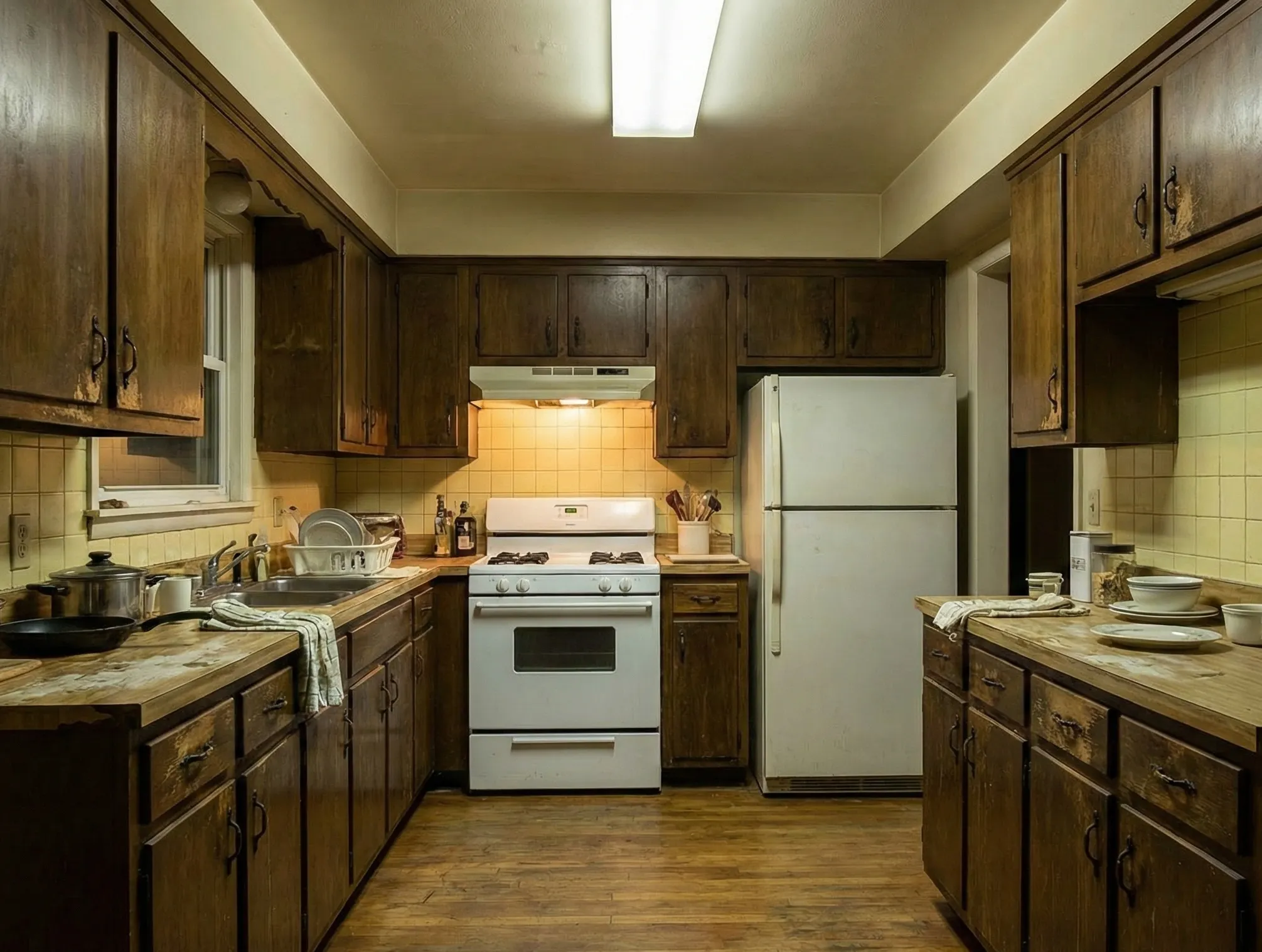
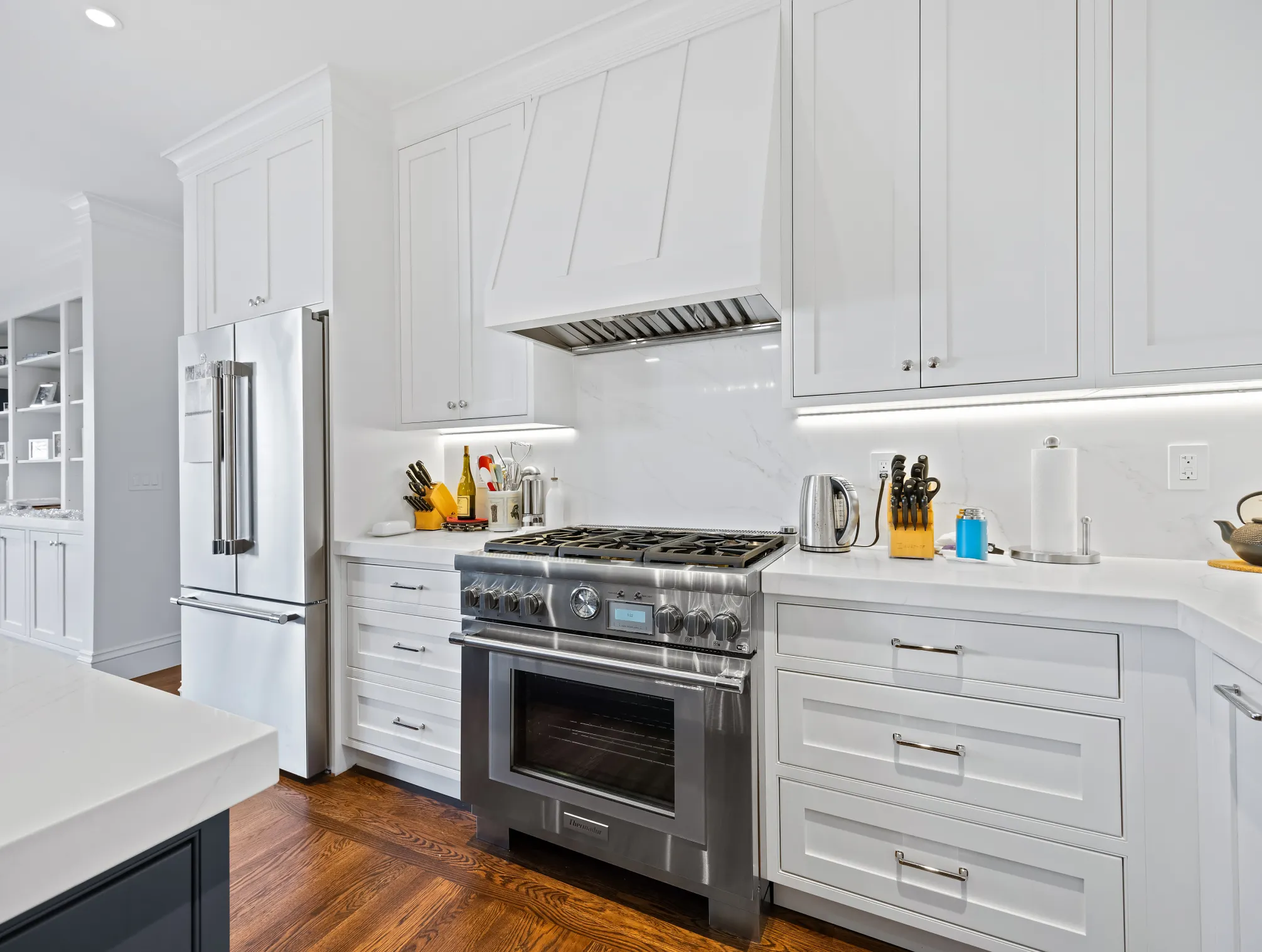
Magic AI Tool See Your Remodel in Seconds with AI
Fast, simple, and perfect for planning.


Local Building Codes and Permits
All work must comply with local building codes and local building requirements. We manage permits, inspections, and approvals so your renovation stays compliant and stress-free. Code clarity protects your investment.
Attic Remodelsvs Basement Remodels
Some attic remodels
are simpler than basements, while others require more structural work.
A basement remodel
may involve waterproofing or drainage improvements.
We explain these differences upfront so you can plan confidently.
Costs, Budgeting, and Planning Ahead
Costs vary based on scope, access, and finishes. We help you align your budget with your priorities and explain where flexibility exists. Clear planning prevents surprises.
Attic or Basement Renovation Ideas
From an attic bedroom to a media lounge or gym, we share practical ideas that match your goals and space constraints. Our recommendations are grounded in real-world performance—not trends alone.
Why Many Homeowners Choose Conversions Over Additions
For many homeowners, converting existing space is less disruptive than exterior additions. It preserves yard space and neighborhood character while adding function inside the house.
A Thoughtful Approach to Home Remodeling
Our approach to home remodeling emphasizes clarity, craftsmanship, and communication. We explain tradeoffs honestly and guide decisions with care. Here’s what’s happening—and why—at every stage
FAQs ABOUTFINANCING OPTIONS
How do I know whether an attic or basement conversion is right for my home?
It depends on your home’s structure, ceiling height, access, and how you want to use the space. Some homes are well-suited for attic conversions, while others benefit more from finishing a basement. We walk you through both options, explain the tradeoffs clearly, and help you choose the path that makes the most sense for your goals and budget.
Do attic and basement conversions really add value to a home?
Yes—when they’re done thoughtfully and to code. Converting unused space adds functional square footage without expanding your home’s footprint, which often increases overall home value and long-term usability. Flexible spaces like bedrooms, offices, or guest suites tend to offer the strongest return.
What code and structural requirements need to be met?
Every conversion must meet local building codes, including minimum ceiling height, structural support, insulation, ventilation, and safety requirements. Attics may require roof or floor reinforcement, while basements often involve moisture control and insulation upgrades. We handle permits and inspections and explain what’s required before any work begins—so there are no surprises.
What can an attic or basement be converted into?
Converted spaces are highly flexible. Common uses include bedrooms, home offices, family rooms, guest suites, bonus rooms, or media spaces. Some homeowners also add bathrooms or storage solutions. We design each space to feel like a natural extension of your home—not an afterthought.
How much does an attic or basement conversion typically cost?
Costs vary based on size, existing conditions, access, and finish level. Some projects are more straightforward, while others require structural or waterproofing work. We help you plan ahead, align your budget with your priorities, and explain where flexibility exists—so you can move forward with confidence.
Serving Homeowners acrossthe San Francisco Bay Area Peninsula
We proudly serve the entire San Francisco Bay Area Peninsula — bringing design-build remodeling expertise to homes in every community.
From San Francisco to the Peninsula and beyond, we’re proud to bring our design-build remodeling and construction expertise to homeowners across the Bay Area. Below are just a few of the many cities where we’ve completed projects.