
ADU Builders & Contractors in San Francisco & the Bay Area Peninsula
Mission Home Remodeling is a licensed ADU builder and general contractor (CSLB #1078954) serving San Francisco, Marin County, and the Peninsula. As a design-build firm, we handle your accessory dwelling unit from concept to completion — feasibility, design, plans, permits, and construction — under one team and one point of accountability. Whether you’re adding space for family, creating rental income, or planning for the long term, here’s how the process works and what to expect.
What Is an ADU?How Is It Different From a JADU?
An accessory dwelling unit (ADU) is a fully independent living space on the same lot as an existing home, with its own kitchen, bathroom, and sleeping and living areas. A junior ADU (JADU) is a smaller unit — generally up to 500 sq ft — created within the walls of the existing home, often from a bedroom, and it typically requires the owner to live on the property.
| Factor | ADU | JADU |
| Max size / Location / Construction | Detached: up to 1,200 sq ft. Attached: up to 50% of primary home’s floor area, or 800 sq ft, whichever is larger. Detached (new construction), attached addition, or conversion of existing space. | 500 sq ft max (interior livable space). Must be built entirely within the existing walls of the primary residence — no new footprint. |
| Kitchen Requirement / Bathroom | Full kitchen required. Must have its own private bathroom. | Efficiency kitchen only (sink, small cooktop/microwave, counter and storage space). May share the main house’s bathroom (with interior access) or have its own. |
| Owner-occupancy / Typical Use | Not required (California prohibits local agencies from imposing this). Standalone rental unit, in-law suite, or independent living space; can be rented out separately from the main house. | Required only if the JADU shares sanitation facilities with the main house. If the JADU has its own separate bathroom, no owner-occupancy requirement applies. Compact in-home unit for family members (adult child, aging parent, caregiver) or a lower-cost rental option when the owner remains on-site. |
Do You Need a Contractor to Build an ADU?
For anything beyond the simplest conversion, yes — and in most Bay Area jurisdictions the work has to be performed or supervised by a licensed general contractor. An ADU is a full structure: foundation or slab, framing, electrical, plumbing, utility connections, and inspections at each stage. As your ADU contractor, we hold the license, pull the permits, coordinate every trade, and own the schedule — so you’re not managing subcontractors or chasing the planning department yourself. One contract, one team, one point of accountability.
Why Bay Area Homeowners Add an ADU
Homeowners turn to ADUs to solve real-life needs. Some want room for extended family. Others want a private home office, guest accommodations, or a long-term living solution that adapts as life changes. Many are also drawn to the property value and flexibility an ADU can add — some owners explore rental income, while others focus on long-term livability rather than short-term returns.
In markets like San Francisco, the Bay Area, and Marin County, ADUs have proven their value, showing how smart design and careful planning can make smaller spaces work harder and more versatile.
Every ADU project starts the same way: understanding your goals, your site, and what makes sense for your house.
Working With an Experienced ADU Contractor
As your dedicated ADU contractor, we manage the full scope of your project—from early feasibility through final inspection. That includes design, plans, permit coordination, and hands-on construction.
You’ll always know what’s happening, what decisions are needed, and what comes next.
Understanding YourADU Build Options
There are several options for adding an ADU, and the right choice depends on your property, layout, and budget. Your ADU may be detached, an attached adu, or created by reworking existing space like a garage or attic.
ADU Types We Build
Detached ADU
Attached ADU
Garage Conversion ADU
Attic & Basement Conversion
Junior ADU (JADU) & Kitchenette
Prefab vs. Custom ADU
ADU Design That Balances Comfort and Efficiency
Good ADU design prioritizes flow, storage, natural light, and privacy. We carefully consider bedroom placement, living areas, and circulation so smaller units still feel comfortable.
Strong design makes the most of every square foot.
Floor Plans and ADU Layout Planning
Thoughtful floor plans are essential to successful ADUs. Each adu plan is developed around how the space will actually be used—not just what fits on paper.
We plan layouts that feel intuitive, efficient, and adaptable.
Sub-Services: ADU Solutions We Offer
Attic & Basement Conversions
Attics and basements can become valuable living space when properly planned. We assess ceiling height, light, and access before recommending this option.
ADU Kitchenette
An ADU kitchenette is designed for efficiency and comfort. We balance appliance placement, storage, and workflow so the space feels complete without excess.
Guest House
A detached ADU can function as a guest house, offering privacy for visitors while maintaining connection to the main property.
Home & Room Additions
Some ADUs are created through strategic additions that expand a house without overwhelming the existing structure. These builds integrate seamlessly with the original homes.
Prefab & Modular ADUs
For certain sites, modular or ready ADU solutions may work well. We’ll explain where these options make sense—and where they don’t.
Garage Conversions
A garage conversion can turn underused garage space into a fully functional ADU. We evaluate structure, utilities, and access to ensure the conversion supports long-term living
Planning & Permits
We manage permit requirements, zoning checks, and submissions so your project stays on track and compliant.
Building ADUs for a Variety of Needs
ADUs support a variety of needs—from multigenerational living to creative studios or flexible rental arrangements. The key is matching the design to how the space will actually be used.
Our Design-BuildADU Process
- Feasibility & site review — zoning, setbacks, access, utilities.
- Design & floor plans — layout built around how you’ll actually use the space.
- Plans & permit coordination — we prepare submittals and manage agency review.
- Construction — one crew, clear schedule, proactive updates.
- Final inspection & handoff — signed off, compliant, ready to use.
ADU Permits & Local Requirements in the Bay Area
California’s ADU laws require most cities to review complete applications ministerially within a set timeframe, but each jurisdiction — San Francisco Planning, San Mateo County, Marin County, and individual cities like Palo Alto and Menlo Park — layers on its own zoning, setback, fire, and utility requirements. We handle coordination with local agencies and inspectors so your project stays compliant and on schedule.
What Does an ADU Cost in the Bay Area?
ADU cost depends on type (conversion vs. new detached build), size, site conditions, utility upgrades, and finish level. We provide transparent estimates based on your actual scope and site — no vague ranges, just honest guidance once we’ve reviewed your property.
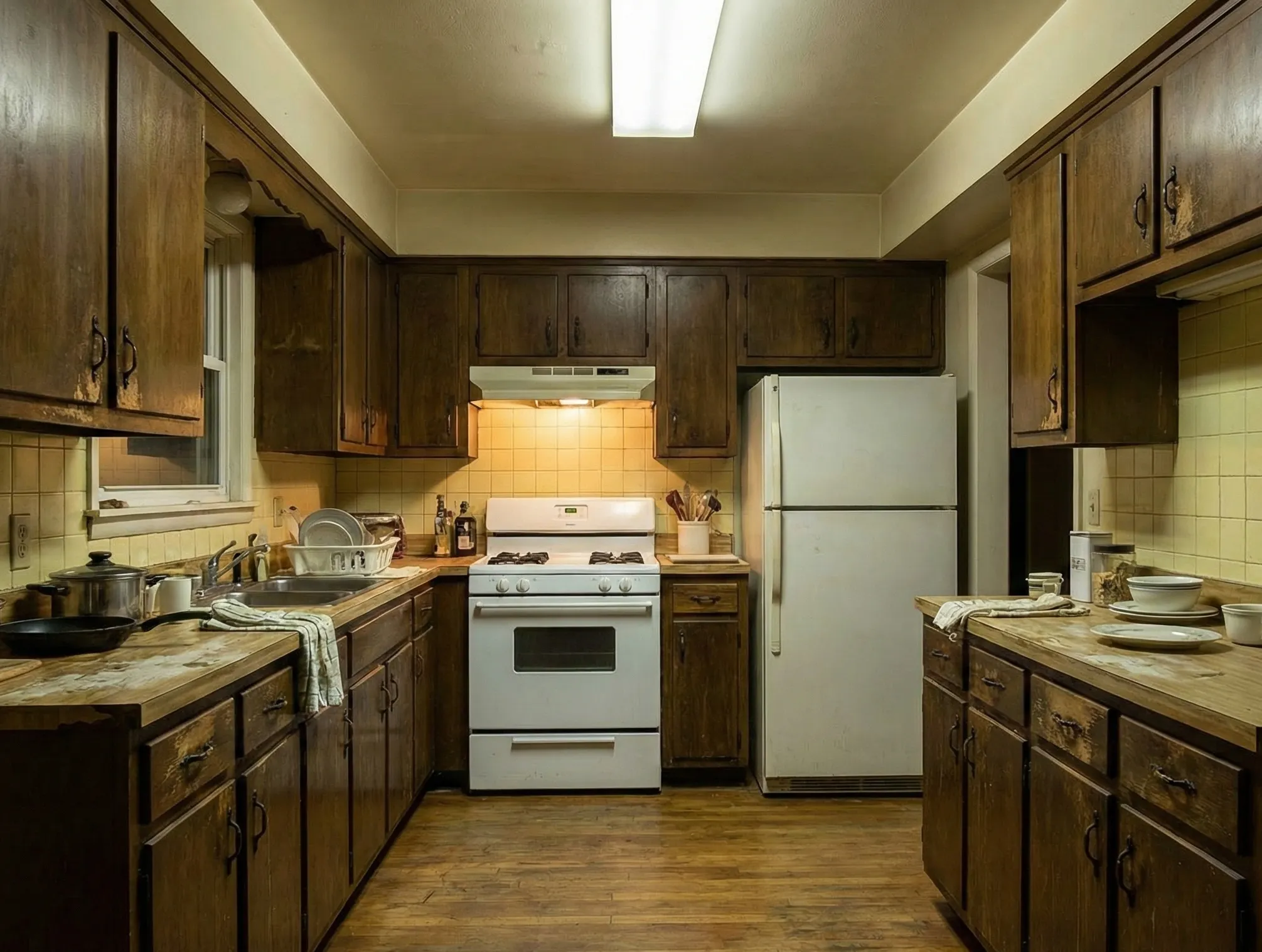
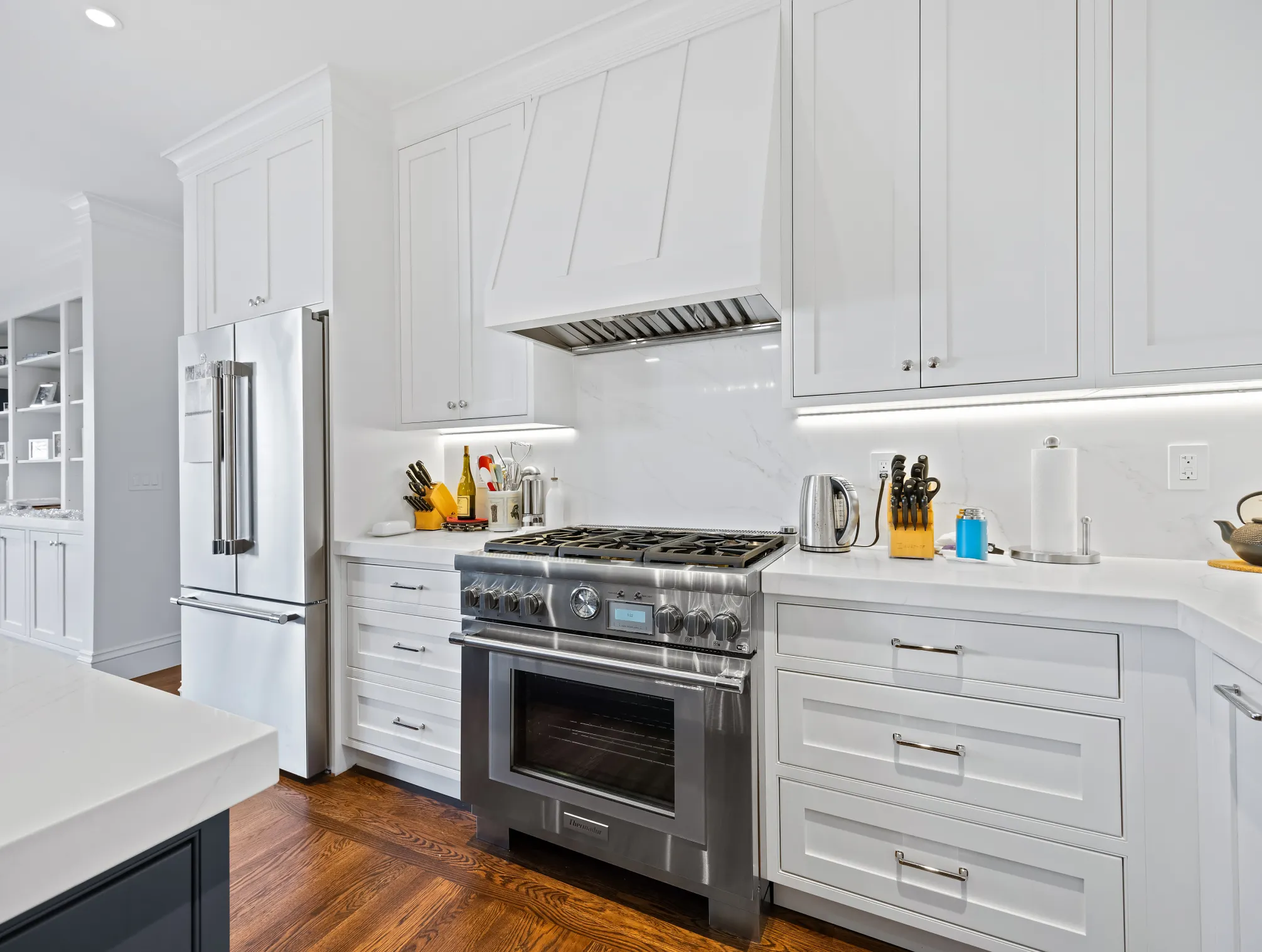
Magic AI Tool See Your Remodel in Seconds with AI
Fast, simple, and perfect for planning.

Construction Quality That Holds Up Over Time
Quality construction matters even more in compact living environments. Our builders focus on durability, clean finishes, and long-term performance.
ADUs as Guest Houses, Pool Houses, or Offices
ADUs can function as a pool house, private home office, or flexible guest space—without sacrificing the integrity of your property
One-Story and Story ADU Options
A story ADU or single-level unit depends on zoning, access, and how the space relates to the main house. We help you choose what works best.
Why Experienced Builders Matter
Choosing the right builders reduces risk and improves outcomes. Our team prioritizes accountability, communication, and craftsmanship throughout the project.
Why Mission Home Remodeling
Licensed, bonded, and insured (CSLB #1078954). Design-build under one roof, so design intent survives construction. A single point of accountability from first sketch to final inspection.
FAQs ABOUT Accessory Dwelling Units
We manage every stage of your project:
How long does it typically take to build an ADU?
Timelines vary depending on design complexity, permitting, and site conditions. On average, the full process—from initial planning and design through final inspection—can take several months. Clear planning and proactive permit coordination help keep the project moving efficiently.
Can I customize the interior finishes and features of my ADU?
Yes. From flooring and cabinetry to lighting and fixtures, interior finishes can be tailored to your preferences and budget. Customization ensures your ADU feels cohesive with your main home while reflecting your personal style.
Will adding an ADU affect my existing utilities?
An ADU may require upgrades or extensions to utilities such as water, sewer, and electrical systems. During the planning phase, we evaluate your current infrastructure to determine what adjustments are needed to support safe and reliable long-term use.
Do I need separate utility meters for my ADU?
Separate metering depends on local regulations and how you intend to use the space. Some homeowners choose separate meters for rental purposes, while others keep utilities connected to the main home. We review local requirements and help you decide what makes the most sense.
Can an ADU be built on a small or uniquely shaped lot?
In many cases, yes. Creative design solutions can help maximize limited or irregular spaces. Factors such as setbacks, access, and zoning regulations will influence feasibility, but thoughtful planning often reveals opportunities homeowners might not expect.
Serving Homeowners acrossthe San Francisco Bay Area Peninsula
We proudly serve the entire San Francisco Bay Area Peninsula — bringing design-build remodeling expertise to homes in every community.
From San Francisco to the Peninsula and beyond, we’re proud to bring our design-build remodeling and construction expertise to homeowners across the Bay Area. Below are just a few of the many cities where we’ve completed projects.
Key Takeaways
- ADUs and JADUs are legally distinct secondary living spaces in California — an ADU can be a fully independent detached, attached, or converted unit, while a JADU is a smaller unit (max 500 sq ft) built within the existing walls of the primary home.
- California requires a licensed General Contractor for ADU and JADU construction, along with permits from your local building department before work begins.
- Mission Home Remodeling manages every phase under one design-build process — concept, design, permitting, and construction — so homeowners work with one team and one point of accountability from start to finish.
- We serve San Francisco, Marin County, and the Peninsula, with project experience shaped by the permitting requirements and site conditions specific to Bay Area homes.
- Ready to find out what’s possible on your property? Schedule a consultation with our design-build team to discuss your goals, your site, and the right ADU or JADU fit.