Why Planning Your Home Renovation Matters
A successful renovation project doesn’t start with demolition—it starts with a clear plan.
Without a structured home remodel plan, projects often run over budget, fall behind schedule, or require costly changes mid-construction.
In the Bay Area, where older homes and strict regulations are common, planning is even more critical.
Step 1: Define Your Goals for the Home Remodel
Before hiring a contractor or sketching a floor plan, start with your goals.
What do you want to change?
- Outdated kitchen or bathroom
- Poor layout or closed-off rooms
- Lack of storage or usable space
- Aging systems or maintenance issues
Think beyond aesthetics
A strong home renovation plan focuses on how your home functions—not just how it looks.
Step 2: Decide on the Scope of Your House Remodel
Not every house renovation is the same.
Types of remodeling projects
If you’re updating multiple areas at once, a whole house remodel can often be more efficient than separate projects.
Step 3: Build a Realistic Budget
Let’s talk honestly—renovation costs in the Bay Area are higher than most homeowners expect.
What impacts your budget?
- Size of the project
- Level of finishes and materials
- Structural changes (moving walls, layout updates)
- Permits and building codes
A realistic budget should include:
- Design and planning costs
- Construction labor
- Materials
- Contingency (10–20%)
What is the 30% Rule in Remodeling?
The 30% rule suggests you should not spend more than 30% of your home’s value on a home renovation.
This helps protect your property value and ensures your investment makes sense long-term.

Step 4: Research and Gather Design Inspiration
This is where your vision starts to take shape.
Where to find inspiration
Look for:
- Layout ideas
- Kitchen and bathroom finishes
- Storage solutions
- Lighting and materials
Step 5: Create a Functional Layout and Floor Plan
A thoughtful layout is one of the most important parts of any remodel.
Ask yourself:
- Does the current layout work for your lifestyle?
- Can walls be moved to open space?
- Is there better flow between rooms?
A well-designed floor plan improves both usability and long-term value.
Step 6: Choose the Right Contractor
Finding the right contractor is one of the most important decisions you’ll make.
What to look for
A design-build contractor can simplify the entire process by handling both design and construction under one team.

Step 7: Work with an Architect or Designer
Depending on your project, you may need:
- An architect for structural changes
- Interior designers for finishes and layout
- A design-build team for full-service planning
This step ensures your home design aligns with both your vision and local regulations.
Step 8: Understand Permits and Building Codes
In San Francisco and Marin County, permits are a major part of the home renovation process.
Common permits include:
Why this matters
Local building codes ensure safety, but they can also impact timeline and costs.
Planning ahead helps avoid delays.
Step 9: Finalize Your Remodel Plan
Before construction begins, your project plan should include:
- Final design drawings
- Material selections
- Timeline
- Budget breakdown
This is where everything comes together into a clear remodel plan.
What is the Correct Order to Renovate a House?
A typical renovation process follows this order:
- Planning and design
- Permits and approvals
- Demolition
- Structural work
- Electrical and plumbing
- Insulation and drywall
- Flooring and finishes
- Final inspections
Following the right sequence keeps your project on track.
Step 10: Prepare Your Home for Construction
Before work begins:
- Clear out affected rooms
- Protect nearby areas
- Plan for temporary living arrangements
For a whole home remodel, you may need to relocate during construction.
Step 11: Begin Construction
This is where your home remodeling project becomes reality.
What to expect
- Daily activity and noise
- Regular updates from your contractor
- Adjustments as needed
Clear communication is key during this phase.
Step 12: Stay Involved During the Project
Even with a trusted contractor, your involvement matters.
Check in on:
- Progress vs. timeline
- Budget updates
- Quality of work
This helps prevent small issues from becoming bigger problems.
What is the Most Expensive Part of a Home Renovation?
Typically, the most expensive parts include:
Labor and materials both contribute to overall costs, especially in the Bay Area.
Step 13: Final Walkthrough and Finish
As your project nears completion:
- Review all work
- Create a punch list
- Confirm everything meets expectations
This ensures your dream home is delivered as planned.
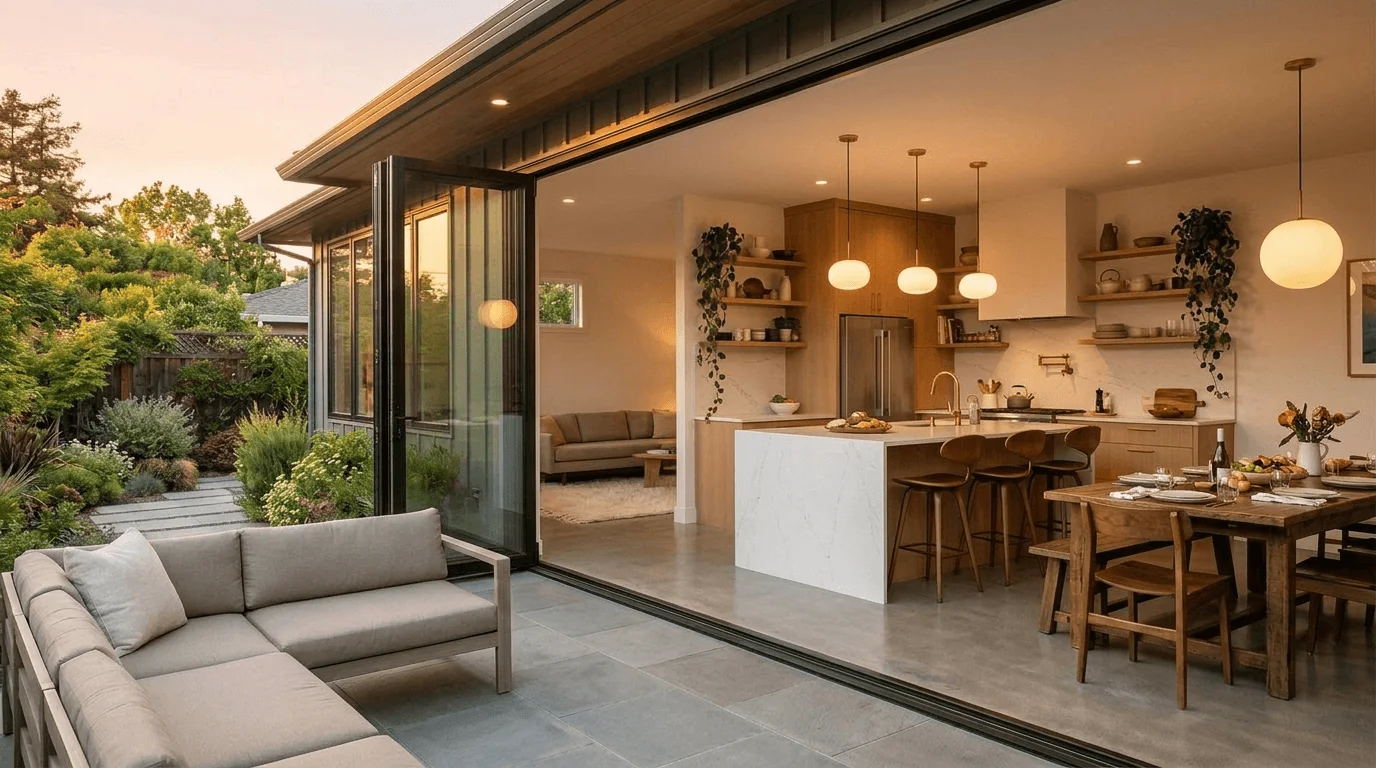
Step 14: Cleanup and Move Back In
After construction:
- Professional cleanup
- Final inspections
- Move back into your upgraded space
Your home improvement journey reaches its finish here.
What Adds $100,000 to Your House?
Strategic upgrades that can add significant value include:
- Kitchen renovation
- Bathroom upgrades
- Open floor plan improvements
- Energy-efficient systems
In the Bay Area, these upgrades can significantly boost property value.
Whole House Remodel Cost in the Bay Area
A whole house remodel cost can vary widely:
- Basic renovation: $100–$300 per square foot
- High-end remodel: $400–$800 per square foot
Costs depend on design complexity, materials, and construction scope.
Remodeling Tips for Bay Area Homeowners
Here’s what we recommend based on experience:
- Plan early and thoroughly
- Expect permit timelines
- Invest in design upfront
- Work with experienced professionals
These tips help you avoid common pitfalls.
Planning a Whole Home Remodel vs. Phased Projects
A whole home remodel can:
- Reduce long-term costs
- Improve design consistency
- Shorten overall timeline
Phased projects may seem easier, but often lead to higher total costs.
Common Mistakes to Avoid
- Underestimating the budget
- Skipping the planning phase
- Hiring based on price alone
- Ignoring permits and codes
A clear home renovation guide helps you avoid these issues.
Why Design-Build Makes the Process Easier
A design-build approach brings everything under one team:
- Planning
- Design
- Construction
This reduces miscommunication and keeps your project aligned from start to finish.
Final Thoughts: Your Home, Your Vision
Planning a home remodel doesn’t have to feel overwhelming.
With the right guide, a clear plan, and the right team, your renovation project becomes a structured, manageable process.
We take pride in helping homeowners across the San Francisco Bay Area and Marin County move forward with clarity—because your home should reflect your life, not just trends.