
Free Guide: Everything You Need to Know Before Remodeling Your Home in San Francisco
Our free homeowner guide walks you through design, permits, timelines, budgeting, and what to expect before starting a kitchen, bathroom, or whole-home remodel.
Thinking About Remodeling Your Home?
If you’re considering a kitchen remodel, bathroom renovation, or whole-home remodel in San Francisco…You probably have a lot of questions.
Common Questions Homeowners Ask Before Remodeling

Most homeowners we speak with are not sure where to begin. They often ask:
If you’re asking these questions,you’re in the right place..
This guide walks you through the typical remodeling process in San Francisco, so you can understand what to expect before starting your project.
Click to explore more verified client reviews on Google, Yelp, and BBB Accredited Business




The Typical Remodeling Processin San Francisco
Every project is unique, but most remodeling projects in the Bay Area follow a similar process.
Understanding these steps
helps homeowners avoid surprises and move through the project with confidence.
Step 1: Initial Consultation
The first step is a conversation about your goals, ideas, and the potential scope of your project. During the consultation, we typically discuss:
- What you’re hoping to change in your home
- Your timeline and priorities
- The feasibility of your ideas
- Early budget expectations
Many homeowners assume they need detailed plans before this step. In reality, most projects start with a conversation to determine the best direction for the project.
For more steps and detailed information, please read: What Happens After I Contact a Remodeling Company?
Step 2: Feasibility and Project Planning
Once the project goals are clear, we evaluate the feasibility of the remodel. This stage may include:
- Reviewing the layout of the home
- Discussing possible design approaches
- Identifying structural considerations
- Evaluating permit requirements
This phase helps determine whether architectural plans or engineering may be required.
Step 3: Design and Drawings
After the project scope is defined, the design phase begins. This is when the layout, materials, and technical plans are developed. Depending on the project, this may involve:
- Architectural drawings
- Structural engineering
- Interior design planning
- Material selections
These drawings are typically required before submitting plans for permits. If you’re unsure whether your project requires an architect, our guide explains more: Do I Need an Architect for a Remodel?
Step 4: Permits and City Approvals
In San Francisco, most remodeling projects require building permits. Permit review ensures the project meets local building codes, safety requirements, and zoning rules. During this stage:
- Plans are submitted to the Department of Building Inspection
- City reviewers examine the design
- Corrections may be requested
- Approval is granted before construction begins
Permit timelines vary depending on the complexity of the project.
Learn more about this process in our guide: How Hard Is It to Get Remodeling Permits in San Francisco?
Step 5: Construction
Once permits are approved, construction begins. During construction, your contractor manages:
- scheduling crews
- ordering materials
- coordinating subcontractors
- scheduling city inspections
Typical construction stages include:
- demolition
- framing and structural work
- plumbing and electrical installation
- interior finishes
- final inspections
Throughout the project, communication and project management are key to keeping the process on schedule.
Member Of



Remodeling Budget Ranges
Get a realistic starting point before planning your project.
Remodeling costs vary based on scope, finishes, layout changes, permits, and existing home conditions.
Typical project types include:
- Bathroom remodels
- Kitchen remodels
- Whole-home remodels
- Additions and major renovations
For more detailed pricing, review our full cost guide.
How Long Does a Remodel Take?
One of the most common questions homeowners ask is how long remodeling takes.
The answer depends on the type of project. Typical timelines include:
Bathroom remodelApproximately 6–10 weeks of construction
Kitchen remodelApproximately 8–12 weeks of construction
Whole-home remodelOften 4–9 months depending on scope
However, it’s important to remember that the full project timeline also includes planning, design, and permit approvals. Our full guide explains the timeline in more detail: How Long Does a Home Remodel Take in San Francisco?

Up to 18 months available
Flexible Monthly Payment Options for Your Project

Is This the Right Fit for You?
This guide is designed for homeowners planning a serious remodel.
This is for you if:
You are planning a kitchen, bathroom, addition, or whole-home remodel in San Francisco or the Bay Area.
This may not be for you if:
You need small handyman repairs, quick fixes, or a fully DIY project.
Do You Need an Architect Before Contacting a Contractor?
Many homeowners believe they must hire an architect and develop full plans before speaking with a contractor. In many cases, that’s not necessary.
For many remodeling projects, the process begins by speaking with a contractor who can help determine:
- whether architectural design is needed
- what type of drawings are required
- whether structural engineering may be necessary
- what the permitting requirements may be
Starting the conversation early can help homeowners avoid investing in plans that may not align with construction realities.
Read the full guide “Do I Need an Architect for a Remodel in the San Francisco Bay Area?“
Why Remodeling in San Francisco Is Unique.
Homes in San Francisco and Marin County often present unique challenges that influence the remodeling process. Many properties involve:
- Older construction methods
- Hillside foundations
- Tight property lines
- Historic architecture
- Strict permitting requirements
Because of these factors, remodeling projects require careful coordination between design, engineering, permitting, and construction.
Working with a team experienced in Bay Area construction helps homeowners navigate these challenges more smoothly.
Projects We CommonlyHelp Homeowners With
Mission Home Remodeling works with homeowners on a wide range of renovation projects, including:
Custom home construction
Whole-home remodeling
Bathroom renovations
Structural renovations
Kitchen remodels
Each project is approached with a structured design-build process that helps guide homeowners from concept through construction.
Get the Free San Francisco Remodeling Starter Guide
Planning a remodel can feel overwhelming. Our free guide walks you through the process, permits, timelines, budgeting, and the common mistakes homeowners make before starting a project.
No obligation. Just practical guidance to help you plan your project with confidence.
What Happens AfterYou Contact Us?
If you decide to explore your remodeling project further, the next step is a consultation. During the consultation we will:
- Discuss your goals for the space
- Evaluate the feasibility of the project
- Explain the next steps in the process
- Answer questions about design, permits, and timelines
You do not need to have every detail figured out before reaching out.
Our goal is to help you understand your options and plan the best path forward for your home.
Blog
Related posts
Crafted to help you plan, design, and build with confidence.


Do I Need Plans Before Talking to a Contractor? The Bay Area Homeowners Guide
Short Answer: No, You Don’t Need Plans First One of
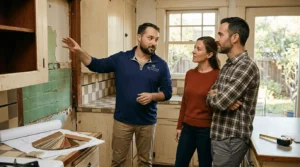

What Happens After I Contact a Remodeling Company?
Reaching out to a remodeling company can feel like a
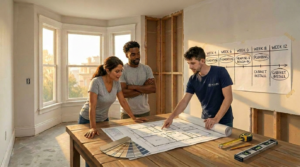
How Long Does a Home Remodel Take in San Francisco?
Planning a renovation in the San Francisco Bay Area or
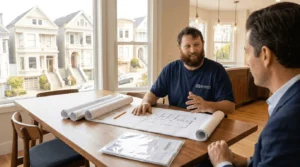

How Hard Is It to Get Building Permits in San Francisco?
If you’re planning a remodeling project, one of the first
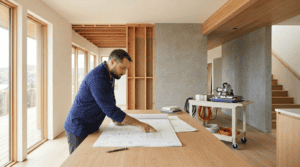
Do I Need an Architect for a Remodel in the San Francisco Bay Area?
Many homeowners planning a remodel or renovation eventually ask the
Quick Answers
1. Do I need architectural plans before contacting Mission Home Remodeling?
Not always. If you are still early in the process, Mission Home Remodeling can help you understand whether your project may need architectural plans, engineering, or additional design support.
2. What is the first step to start a remodel in San Francisco?
The first step is a consultation. This helps clarify your goals, project scope, budget expectations, timeline, and what needs to happen before design or construction begins.
3. Does Mission Home Remodeling help with permits?
Yes. Mission Home Remodeling can guide homeowners through the permit process and help coordinate the planning needed before construction starts.
4. How long does a remodel usually take?
It depends on the scope, permits, design complexity, materials, and existing home conditions. Smaller remodels may take a few weeks, while larger renovations or additions can take several months.
5. What happens after I contact Mission Home Remodeling?
After you reach out, the team will discuss your goals, review your project needs, explain possible next steps, and help you understand how to move forward with your remodel.