1. The First Step Is Usually a Discovery Conversation
After you contact a remodeling company, the first step is usually a short discovery call or initial conversation.
This is not meant to pressure you into a decision. It is meant to help both sides understand whether the project may be a good fit.
During this first conversation, the remodeling team may ask about:
- The type of project you’re considering
- The location of the home
- Whether you own the property
- Your general goals
- Your ideal timeline
- Whether you have plans or drawings
- Whether permits may be needed
- Your budget expectations
At this stage, it is completely normal to still be unsure about the details.
You might only know that you want to remodel your kitchen, update a bathroom, open up a layout, or explore whether a larger home renovation is possible.
That is enough to start the conversation.
For many Bay Area homeowners, the first call is also a chance to better understand what may or may not be realistic based on local permitting timelines, structural requirements, and neighborhood conditions.

2. You Do Not Need Plans Before Reaching Out
One of the most common questions homeowners ask is whether they need architectural plans before contacting a remodeling company.
In many cases, the answer is no.
Most homeowners in San Francisco, Marin County, and surrounding Bay Area communities start by speaking with a remodeling company before investing in plans. This helps clarify whether plans are needed, what type of design support may be required, and whether the project is realistic based on the home, budget, and permitting requirements.
A remodeling company can often help you understand:
- Whether your project requires an architect
- Whether drawings or plans will be needed
- Whether structural engineering may be involved
- What permit requirements may apply
- Whether the project is likely to fit your budget
Starting with a conversation can help you avoid spending money on plans that may need to be revised later.
3. The Remodeling Company Will Try to Understand Your Goals
A good remodeling company will not start by selling you finishes or pushing a design.
They should first try to understand what you want to accomplish.
They may ask questions like:
- What is not working about your current space?
- What are you hoping to improve?
- Are you looking for more space, better function, updated finishes, or a new layout?
- Is this remodel for your long-term home or resale?
- Are there specific problems you need to solve?
- Are there must-haves or nice-to-haves?
This helps the team understand whether you need a simple update, a more involved remodel, or a larger design-build process.
For example, a bathroom remodel with the same layout is very different from a whole-home remodel involving structural changes, older Bay Area construction conditions, and city permits.
4. You May Be Asked About Budget Early
Some homeowners are surprised when the budget comes up early in the process.
But discussing the budget early is important.
A remodeling company is not asking for your budget just to see how much they can charge. They need to understand the investment range so they can guide you toward realistic options — especially in the Bay Area, where remodeling costs, permitting, and labor can vary significantly depending on the scope and location of the project.
Budget helps determine:
- The project scope
- The level of finishes
- Whether structural changes are realistic
- Whether design or engineering is needed
- Whether the project should be phased
- Whether expectations align with construction costs
If you do not know your exact budget, that is okay.
You can talk in ranges. For example:
- “We’re trying to understand what this might cost.”
- “We don’t know if this is a $50,000 project or a $200,000 project.”
- “We want to know what is realistic before we commit.”
A good remodeling company should help you understand cost drivers, not expect you to know all the answers upfront.
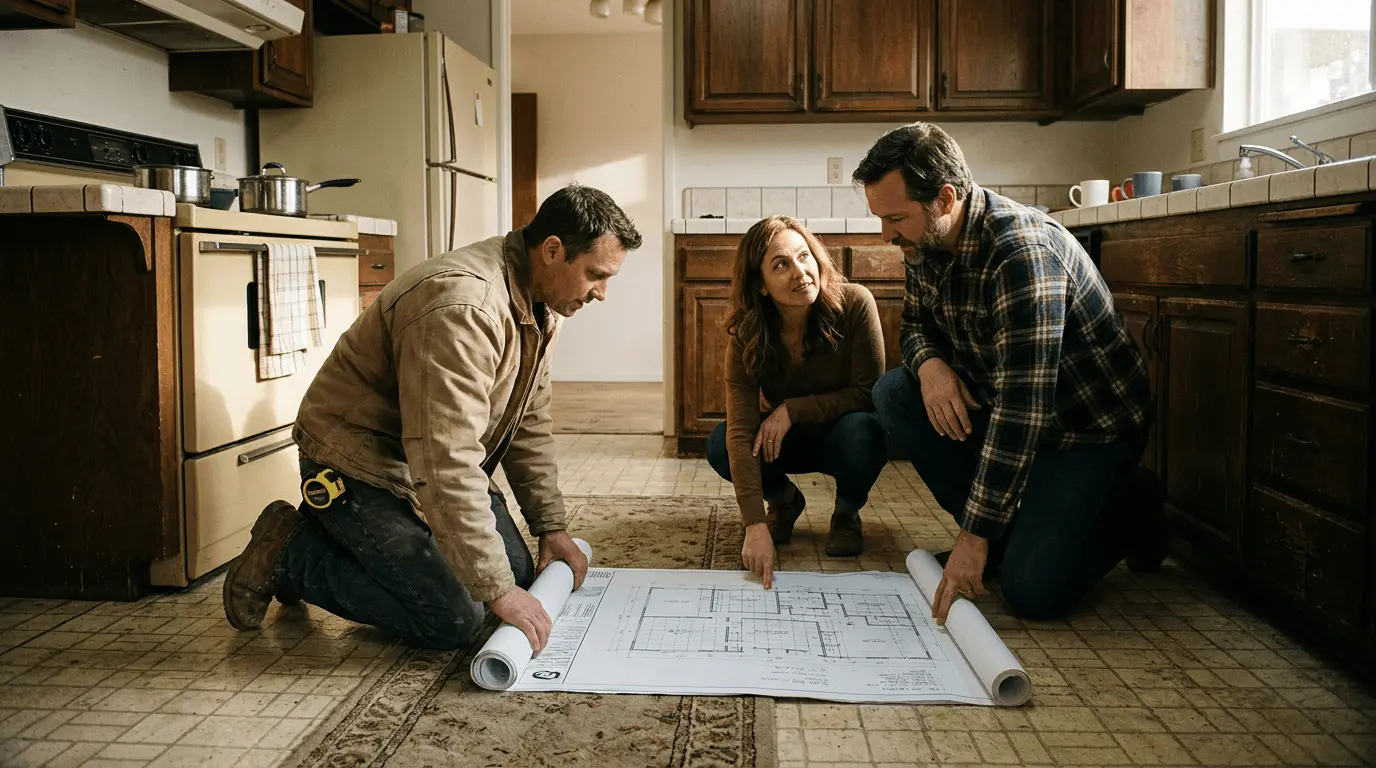
5. The Company Will Determine Whether the Project Is a Good Fit
Not every remodeling company is the right fit for every project.
After learning about your goals, the company may determine whether your project matches the type of work they typically do.
They may consider:
- Project size
- Location
- Scope of work
- Timeline
- Budget range
- Design complexity
- Permit requirements
For example, some Bay Area remodeling companies focus on larger renovations and design-build projects, while others may specialize in smaller updates or specific trades.
This fit conversation is helpful because it saves time and ensures you are speaking with the right type of professional.
6. You May Schedule an In-Home Consultation or Site Visit
If the project seems like a potential fit, the next step is often an in-home consultation or site visit.
During this visit, the remodeling team can better understand the property and the conditions that may affect the project.
They may look at:
- Existing layout
- Plumbing and electrical locations
- Structural conditions
- Access to the home
- Existing finishes
- Potential constraints
- Areas where permits may be required
A site visit is especially important for older San Francisco homes, hillside properties, condos, and Bay Area homes involving layout or structural changes.
Photos and phone conversations are helpful, but seeing the space in person often reveals details that influence cost, feasibility, and timeline.
7. You May Not Receive a Final Quote Immediately
Many homeowners expect to receive a firm quote right after the first conversation or site visit.
For simple projects, a rough range may be possible early.
But for larger remodels, a final quote usually requires more information.
A remodeling company may need to understand:
- Final scope of work
- Design selections
- Structural requirements
- Permit requirements
- Material choices
- Site conditions
- Engineering needs
- Subcontractor pricing
This is especially true in the Bay Area, where permitting requirements, older homes, and local construction conditions can significantly affect pricing and timelines.
This is why early conversations often focus on ranges, feasibility, and next steps rather than a fixed price.
A detailed estimate should be based on a clear scope — not guesswork.
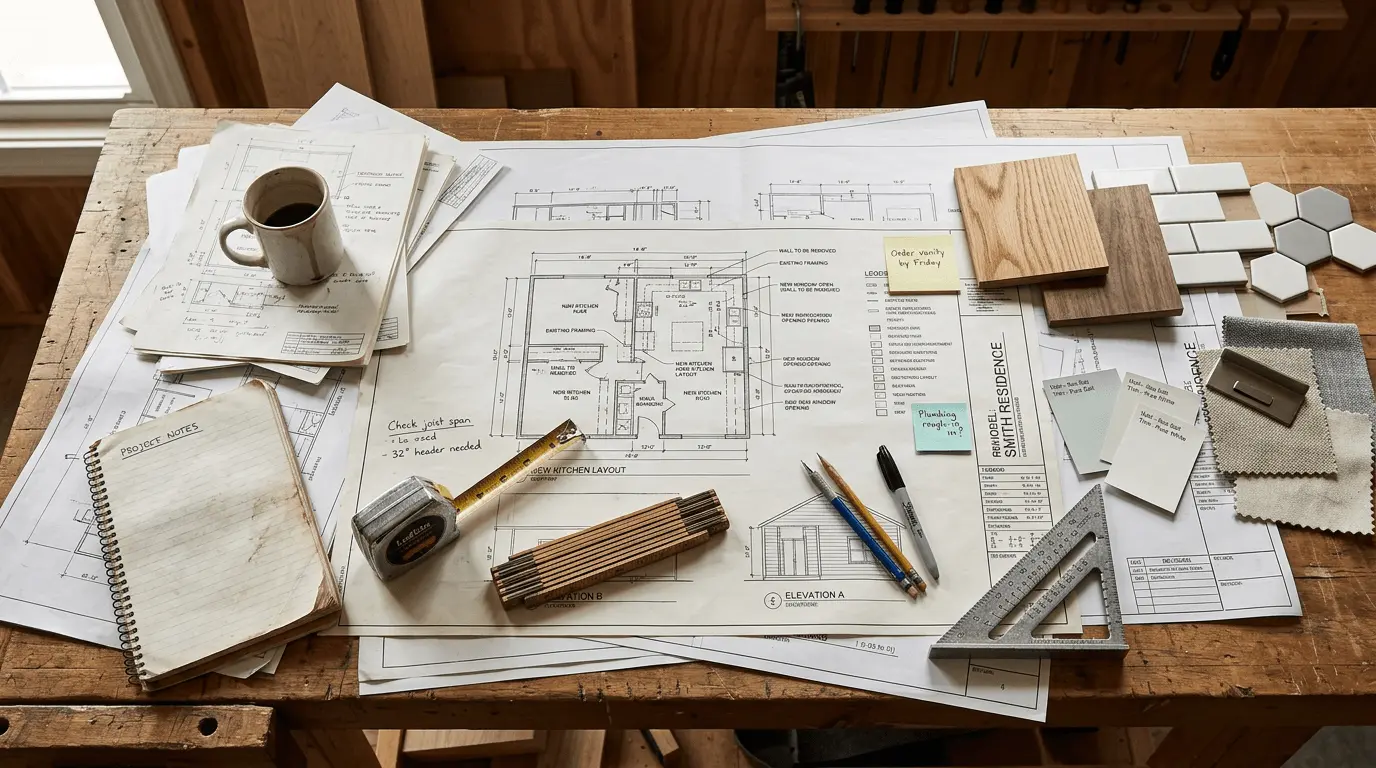
8. The Next Step May Be Design or Scope Development
If you decide to move forward, the next step is often design, planning, or scope development.
This is where the project starts to become more defined.
Depending on the company and project type, this stage may include:
- Measuring the space
- Developing layout options
- Creating drawings
- Reviewing finish selections
- Defining project scope
- Identifying structural or engineering needs
- Preparing for permit submission
For design-build companies, this stage is often handled within the same team that will later manage construction.
That can make the process more streamlined because design decisions are considered alongside construction feasibility, local code requirements, and budget realities.
9. If Permits Are Needed, Plans Must Usually Be Prepared First
For many remodeling projects in the San Francisco Bay Area, permits are a major part of the process.
Permits are typically required before construction begins when the project involves:
- Structural changes
- Plumbing work
- Electrical work
- Mechanical work
- Layout changes
- Additions
- Major kitchen or bathroom renovations
Before permits can be submitted, the team usually needs drawings or plans that show what work will be done.
The typical sequence is:
- Consultation
- Scope definition
- Design and drawings
- Permit submission
- City review
- Permit approval
- Construction
Depending on the city — whether San Francisco, Oakland, Berkeley, San Jose, or Marin County — permit timelines and review requirements can vary significantly.
This is why construction usually does not begin immediately after the first call.
10. Construction Usually Starts After Design, Permits, and Scheduling
Once the scope is defined, plans are completed, permits are approved, and materials or crews are scheduled, construction can begin.
Before construction starts, the remodeling company may review:
- Construction timeline
- Site preparation
- Access to the home
- Dust protection
- Working hours
- Material selections
- Payment schedule
- Communication process
- Inspection requirements
This pre-construction phase helps prevent confusion once work begins.
The goal is to make sure everyone understands what will happen, when it will happen, and how communication will be handled.
What Homeowners Often Get Wrong About the First Step
Many homeowners believe they need to have everything completed before reaching out:
- Finished plans
- Final design decisions
- Exact budget
- Complete material selections
- Permit research
In reality, those are usually part of the home remodeling process — not prerequisites.
The first step is about getting clarity.
A good remodeling company should help you understand:
- whether the project is realistic
- what the likely next step is
- what professionals may be needed
- what timeline to expect
- whether the budget is aligned with the scope
You do not need all the answers before starting the conversation.
Final Thoughts
Contacting a remodeling company does not mean you are committing to construction right away.
It simply starts the process of understanding what is possible.
For many homeowners, the first call provides clarity around scope, budget, design, permits, and timeline.
If you are considering a remodel, the best next step is to start a conversation with a team that can guide you through the process from idea to construction.
Ready to Talk About Your Remodel?
If you’re thinking about home remodeling in San Francisco or Marin County, Mission Home Remodeling can help you understand the next steps.
Whether you have plans already or are just starting with an idea, our team can help you explore what is possible and guide you through the process.
Schedule Your Consultation